Sourcing Home Goods for the Middle East: Market & Buying Tips
The Middle East is a vibrant market for home goods, with importers in Saudi Arabia, the UAE, and Egypt constantly seeking quality kitchenware, storage solutions, cleaning products, and décor. If you're planning to tap into this demand, understanding the regional nuances is key. This guide offers practical advice for buyers—covering product preferences, purchasing rhythms, cultural fit, certifications, and how a Yiwu supplier with a partner factory network can simplify your sourcing.
What Middle East Buyers Are Looking For
Home-goods buyers in the region typically focus on practical, durable items that fit local lifestyles. Here’s what we see trending:
- Kitchenware: Non-stick cookware, stainless steel utensils, and food storage containers are staples. With large families and frequent gatherings, buyers prefer sets that offer value.
- Storage & Organization: Modular shelving, closet organizers, and decorative baskets are popular, especially in urban apartments where space is limited.
- Cleaning Supplies: Mops, brooms, dustpans, and laundry organizers—durability matters because of frequent use.
- Home Décor: Candle holders, wall art, and ornamental pieces that align with local tastes. During Ramadan, decorative lanterns and festive items see a surge.
Remember, preferences vary by country. For example, Egyptian buyers might prioritize affordability, while UAE importers may look for premium finishes. A good china sourcing agent can help you tailor your product mix to each market.
The Ramadan Purchasing Rhythm
Ramadan is a major retail season in the Middle East, and it affects home-goods sales significantly. Retailers and distributors typically start ordering 3–4 months in advance to ensure stock arrives before the holy month. This means if you're sourcing, plan your orders early—ideally 5–6 months ahead to allow for production, quality checks, and shipping.
Lead time planning is critical. Rely on a supplier who can coordinate production across multiple factories and consolidate shipments. Missing the Ramadan window can mean lost sales, so work with a partner who understands the urgency.
Cultural and Practical Fit
To succeed, your products must align with local living conditions and cultural norms:
- Packaging language: buyers in the region routinely ask for Arabic labels, and some product groups are required to carry them — the requirement depends on the category and the destination, so confirm it with the destination authority before you print. Bilingual Arabic/English labels are the usual commercial baseline.
- Sizes for Local Homes: Homes in the Middle East often have larger rooms and different storage needs. For example, deep kitchen cabinets may require larger containers. Check typical dimensions before ordering.
- Voltage and Plugs: Gulf markets generally run on 220-240V with Type G plugs and Egypt on 220V with Type C/F sockets, but confirm the nominal voltage and plug type for your exact destination with its standards body before you order — we could not verify the country-by-country figures from official sources.
- Heat and Humidity Durability: The climate is harsh—hot summers and high humidity in coastal areas. Choose materials that won't warp, fade, or rust easily. For plastics, UV-resistant and heat-tolerant grades are advisable.
Certification Realities for the Region
Importing to the Middle East involves specific certifications, but the process is manageable with proper guidance:
- SASO/SABER for Saudi Arabia: Most consumer goods need to be registered in the SABER system and have a Product Certificate of Conformity. This is often based on testing to relevant standards.
- G-Mark (Gulf Conformity Mark) for GCC countries: under the Gulf technical regulations for low-voltage electrical equipment and appliances and for children's toys, products in scope must hold a G-Mark certificate and carry the mark before they can enter the Saudi market. For categories outside those regulations it is not always required — confirm by product.
- General Documentation: You'll need a commercial invoice, packing list, bill of lading, and possibly a certificate of origin. Some destinations also ask for consular attestation — confirm the exact set with the destination customs authority, because we could not verify that requirement from official sources.
It's important to note that certification requirements can change, and they vary by product category. Always verify current rules with the official body or your sourcing agent. A reputable agent can help you prepare the right paperwork and coordinate with labs if testing is needed.
How a Yiwu Supplier with Partner Factories Helps
As a trading company based in Yiwu, Novel Home Goods works with a network of partner factories across China—not just one self-owned facility. This is a strength, not a limitation. Here's why:
- Broader Product Range: We can source kitchenware, storage, lighting, and tools from different factories, so you don't have to manage multiple suppliers.
- Independent Quality Control: Because we're not tied to one factory, we can inspect products impartially and reject substandard batches. Our QC team checks samples and pre-shipment loads.
- Consolidated shipments: we do not provide a consolidation warehouse and we do not consolidate cargo on your behalf. If your order comes from several factories, grouping the goods into one container is arranged by the forwarder you appoint.
- Flexibility: If a particular factory is busy or quality drops, we can switch to another partner without disrupting your supply chain.
This approach is especially valuable for importers who want a one-stop solution without the hassle of navigating China's manufacturing landscape alone.
Final Thoughts
Sourcing home goods for the Middle East can be profitable, but it requires attention to cultural details, timing, and compliance. By working with a Yiwu supplier who has a broad factory network and local expertise, you can streamline the process and focus on growing your market. If you plan to launch your own brand for this market, our OEM and private label guide explains sampling, Minimum order quantity (MOQ), and sign-off.
Contact us for a quote via WhatsApp or email
WhatsApp: +86 18351238137
Email: qin53390@126.com
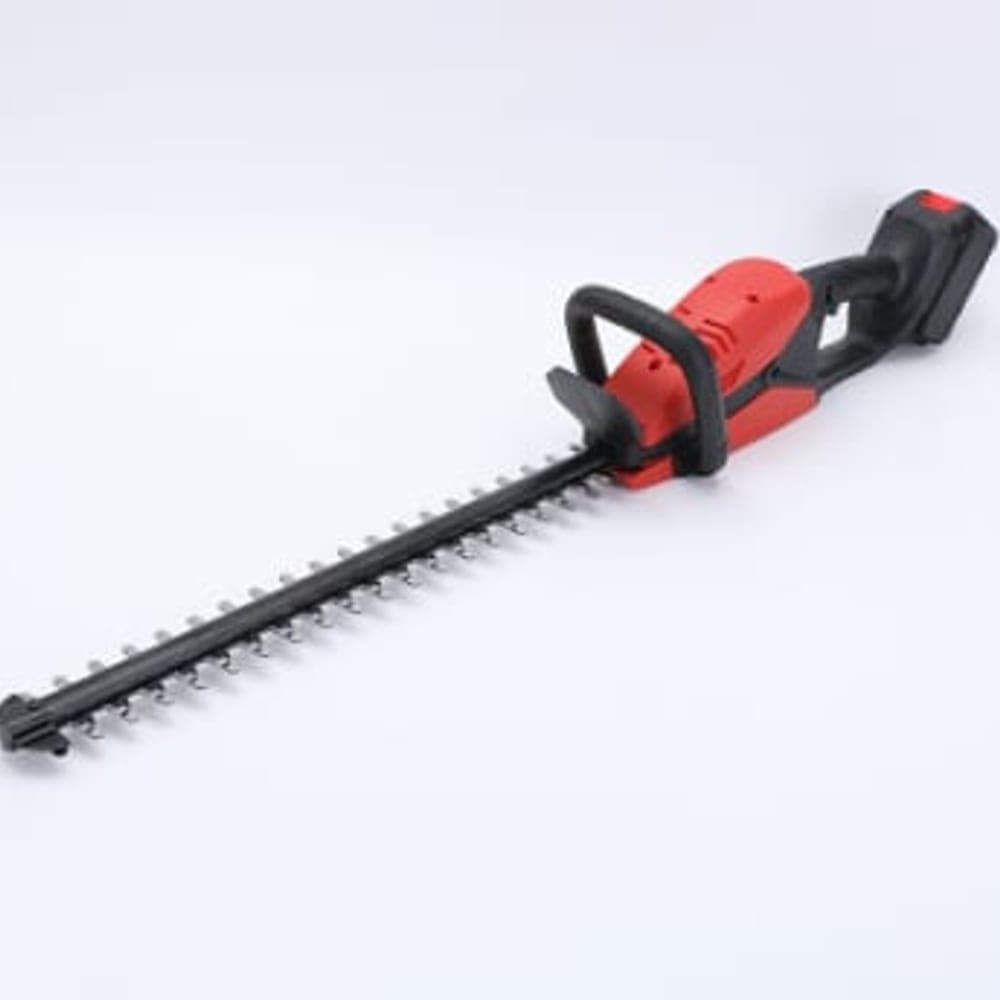
Explore our electric cleaning brushes and 21V cordless chainsaws — MOQ from 50 pcs.
For a quote or to source your products, contact our Yiwu sourcing team → Request a quote
Visiting us in Yiwu
If you would rather see the goods in person before you commit, you are welcome to visit our Yiwu office and warehouse. Visits are arranged in advance — see how to visit us.
Related products
Sources
- Saudi Arabia — SABER platform — Saudi Standards, Metrology and Quality Organization (SASO) — https://www.saso.gov.sa/en/sectors/product-safety/Pages/market-access.aspx — checked 2026-10-13. SASO states that the process begins with "the registration of products on the Saber platform" and that it issues "a conformity certificate for the products, allowing them to officially and safely enter the Saudi market" once technical or regulatory requirements are met. Scope note: this page describes the market-access route for non-consumer display products; consumer goods are handled through SABER under a different certificate type, so confirm the exact certificate for your product.
- G-Mark (Gulf Conformity Mark) — Ministry of Commerce of the PRC, WTO/FTA Consulting Network, "沙特市场准入合格评定要求:GC标志认证" — http://chinawto.mofcom.gov.cn/article/jsbl/zszc/202407/20240703524600.shtml — checked 2026-10-13. Original wording: "沙特作为海合会标准化组织(GSO)成员国之一,采用《海湾儿童玩具技术法规》和《海湾低电压电气设备和器具技术法规》,要求法规范围内的产品在取得GC标志(Gulf Conformity Mark)认证证书并加贴GC标志后方可进入沙特市场。" Second source — GSO, Gulf Technical Regulation for Low Voltage Electrical Equipment and Appliances: https://www.gso.org.sa/wp-content/uploads/2018/02/GulfTechnicalRegulations_En.pdf
- Not confirmed from official sources here: which product groups must carry Arabic labelling and instructions; the country-by-country voltage and plug statements; and the consular-attestation requirement. We could not verify these from the destination authorities within this review — confirm them with SASO/SABER and the relevant GCC authority, or with your importer of record, before you print packaging or order electrical items.