Power Tool Battery Shipping Regulations: UN38.3, 100Wh and Dangerous Goods
Shipping power tools with lithium-ion batteries is not as simple as booking a standard freight container. Whether you are importing 12V drills or 21V impact wrenches, the batteries trigger international dangerous goods regulations that can delay your cargo if mishandled. This guide explains the key rules—UN38.3 testing, the 100Wh threshold, and dangerous goods (DG) paperwork—and how a China sourcing agent can help you navigate them.
Why Lithium Batteries Are Regulated
Lithium batteries store a lot of energy in a small space. If damaged, overcharged, or improperly packed, they can overheat and catch fire. That is why air and sea freight have strict rules. The UN38.3 test is the international standard that proves a battery design has passed eight safety tests, including altitude simulation, thermal cycling, vibration, shock, and short-circuit. Without a valid UN38.3 test report, most carriers will refuse to accept your shipment.
For power tools wholesale buyers, this is a critical document. You should always ask your supplier for the UN38.3 test report for every battery model you plan to ship. It is usually issued by an accredited lab and is valid for a few years, but verify the exact expiry with your freight forwarder. For practical advice on choosing suppliers and platforms, read our guide on how to source power tools from China.
The 100Wh (20Ah) Threshold
Lithium batteries are divided into two categories: those under 100 watt-hours (Wh) and those above. The 100Wh limit is important because batteries above it are considered more hazardous and face stricter rules.
To calculate Wh, multiply the voltage (V) by the ampere-hour (Ah) rating. For example:
- A 12V battery with 2.5Ah = 30Wh
- A 21V battery with 4Ah = 84Wh
- A 21V battery with 6Ah = 126Wh (above 100Wh)
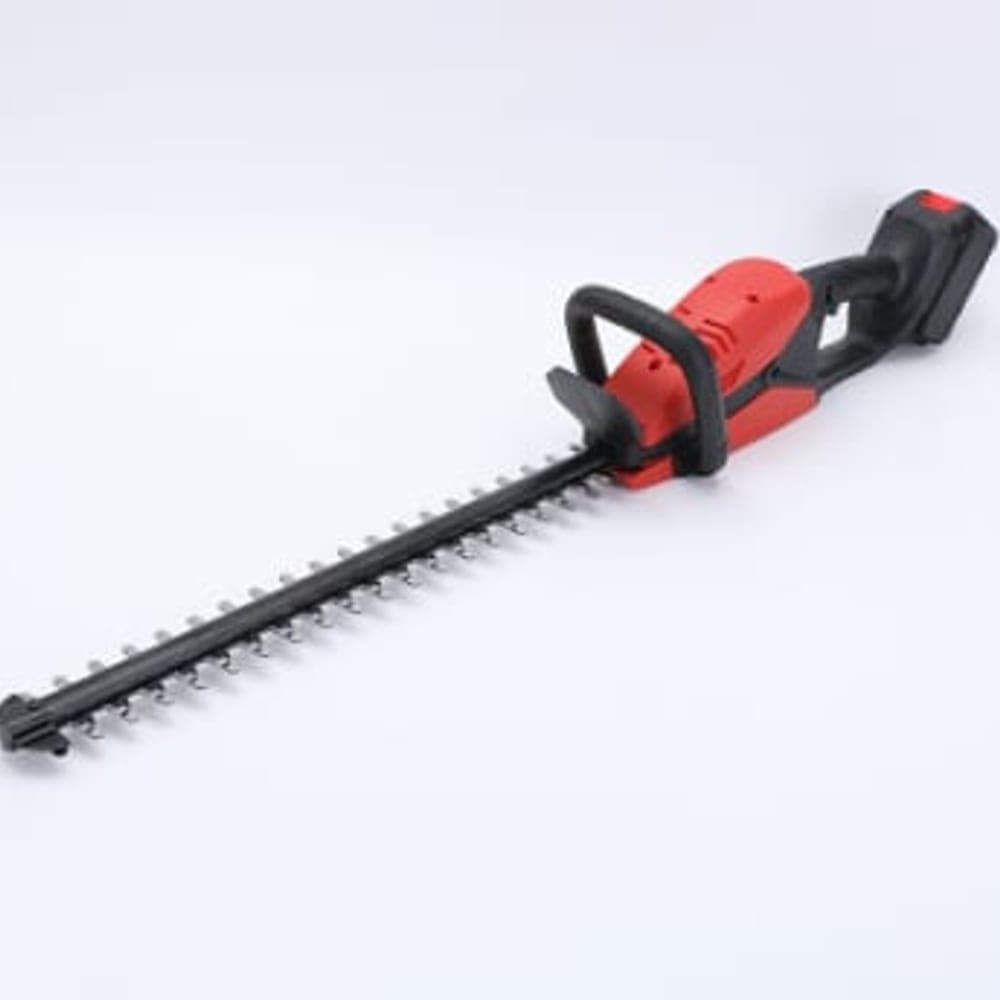
Most 12V and 20V/21V power-tool batteries are under 100Wh, but high-capacity packs (6Ah or more) can cross the threshold. If a battery is above 100Wh, it must be shipped as a fully regulated dangerous good, which means more paperwork, stricter packaging, and often higher freight costs. Take real examples from our catalog: the 21V brushless lawn mower, the 21V cordless hedge trimmer, and the 12V cordless angle grinder all ship with lithium battery packs, so each model must be checked against these rules before you book freight.
Dangerous Goods Classification: UN3480 and UN3481
Batteries are assigned UN numbers depending on how they are shipped:
- UN3480 – Lithium-ion batteries (alone, not installed in equipment)
- UN3481 – Lithium-ion batteries packed with equipment, or contained in equipment
For power tools, you will usually deal with UN3481 if the battery is inside the tool, or UN3480 if you ship spare batteries separately. The classification determines the packaging, labeling, and documentation required.
Proper packaging is essential. Batteries must be protected against short circuits, and the outer packaging must meet UN performance standards (like a UN-certified box). You will also need hazard labels (Class 9) and, in many cases, a Shipper's Declaration for Dangerous Goods.
Carriers typically expect the following paperwork:
- UN38.3 test report
- Material Safety Data Sheet (MSDS)
- Dangerous Goods Declaration (if applicable)
- Air waybill or bill of lading with proper handling instructions
Always confirm the exact requirements with your carrier or a certified DG consultant—they can change.
Air vs Sea Freight: Practical Implications
Air freight is the strictest. Most airlines have rigid rules for lithium batteries, and some refuse to carry them at all, especially on passenger aircraft. Even for under-100Wh batteries, you need the UN38.3 report and proper labeling. Above 100Wh, air freight becomes very difficult and costly.
Sea freight is generally more flexible, but still regulated. Under the IMDG Code, lithium batteries are a Class 9 dangerous good. You will need to declare them, use approved packaging, and have the right documentation. Sea freight also allows larger quantities, but you must follow the packing instructions carefully.
Common mistakes that delay cargo:
- Missing or expired UN38.3 test reports
- Incorrect UN number on the packing list
- Batteries not protected against short circuits
- No DG declaration when required
- Overlooking country-specific import restrictions
How a Sourcing Agent Checks Battery Documentation
As a China sourcing agent, Novel Home Goods works with partner factories and understands these requirements. Before booking freight, we typically:
- Request the UN38.3 test report and verify it matches the battery model
- Check the Wh rating of each battery to determine the correct classification
- Confirm the packaging meets UN standards and is properly labeled
- Hand the DG paperwork to the forwarder you appoint, so the booking file is complete
We are a trading company with partner factories, not a self-owned factory. That is a strength: we can select from a wider range of suppliers and independently verify their documentation. We do not manufacture batteries ourselves, so we have no incentive to hide compliance issues.
Final Thoughts
Shipping power tools with lithium batteries is manageable if you follow the rules. The key is to start early, ask for the right documents, and work with experienced partners. A knowledgeable sourcing agent can save you from costly delays and ensure your cargo moves smoothly. You can also compare battery-powered tool models in our power tools catalog before finalizing an order.
Contact us for a quote via WhatsApp or email WhatsApp +86 18351238137, email qin53390@126.com
For a quote or to source your products, contact our Yiwu sourcing team → Request a quote
Related reading
Related products
Key facts at a glance
- Our role: we source the tools and, on request, run a pre-shipment self-check against the approved sample. We pass on the battery documents that the factory and its test laboratory issue for the exact model.
- Not verified from official sources in this guide: the precise wording of the UN Manual of Tests and Criteria test sequence known as UN38.3, the current IMDG Code packing instructions and the IATA dangerous goods requirements are not reproduced here as verified text. Confirm them with your carrier, your forwarder and the competent authority before you ship.
- What we do not do: we are not a freight forwarder; we do not declare dangerous goods on your behalf; we do not issue test reports; and we do not offer DDP delivery. Booking and documentation for the shipment belong to the forwarder you appoint.
- Documents to request from the factory: the UN38.3 test summary for the exact cell and pack configuration you are buying, and the safety data sheet (MSDS/SDS). A test summary covers only the configuration that was tested.
- Self-check scope, on request: quantity, appearance, function, packing and carton marks — against the approved sample.
Who we are — and what we do not do
Novel Home Goods is the export brand of YIWU RUIHA TRADING CO.,LTD., a sourcing agent and export trading company based in Yiwu, Zhejiang, China. We are not a factory: we own no production lines, and we source from a network of partner factories.
What we do
- Source products in China to your specification, and quote FOB Yiwu, tax not included.
- Arrange a pre-shipment self-check on request: quantity, appearance, function, packing and carton marks, all checked against the approved sample. We issue a self-check record and a packing list.
- Welcome you at our Yiwu office and warehouse — by appointment in advance.
- Paid add-on services on request: hotel booking and interpreter accompaniment (languages arranged to your needs).
- Accept enquiries of any size: our sourcing service has no minimum order threshold.
What we do not do
- We are not a freight forwarder and we do not offer freight forwarding. You appoint your own forwarder; ask your forwarder for freight rates and transit times. A freight quotation is valid for 7 days — that is the validity of the quotation, not a transit time.
- We do not book space, we do not handle customs clearance, and we do not provide a consolidation warehouse. Those steps belong to the forwarder you appoint.
- We do not offer DDP door-to-door delivery.
- We do not issue visa invitation letters.
- We do not publish commission rates. Commission depends on order size and is calculated on the product value of the order — contact us for a quote.
- We do not issue inspection reports: we are not a third-party inspection body. Where a third-party report is required, it is commissioned from an accredited third party that you appoint, and that report, its cost and its liability are the third party's.
Terms: T/T in full before shipment. Sample fees are charged, and deducted from the order payment once the order is placed. Each product's Minimum order quantity (MOQ) is set by the supplier and printed on that product page — that is a separate matter from the sourcing service threshold above.